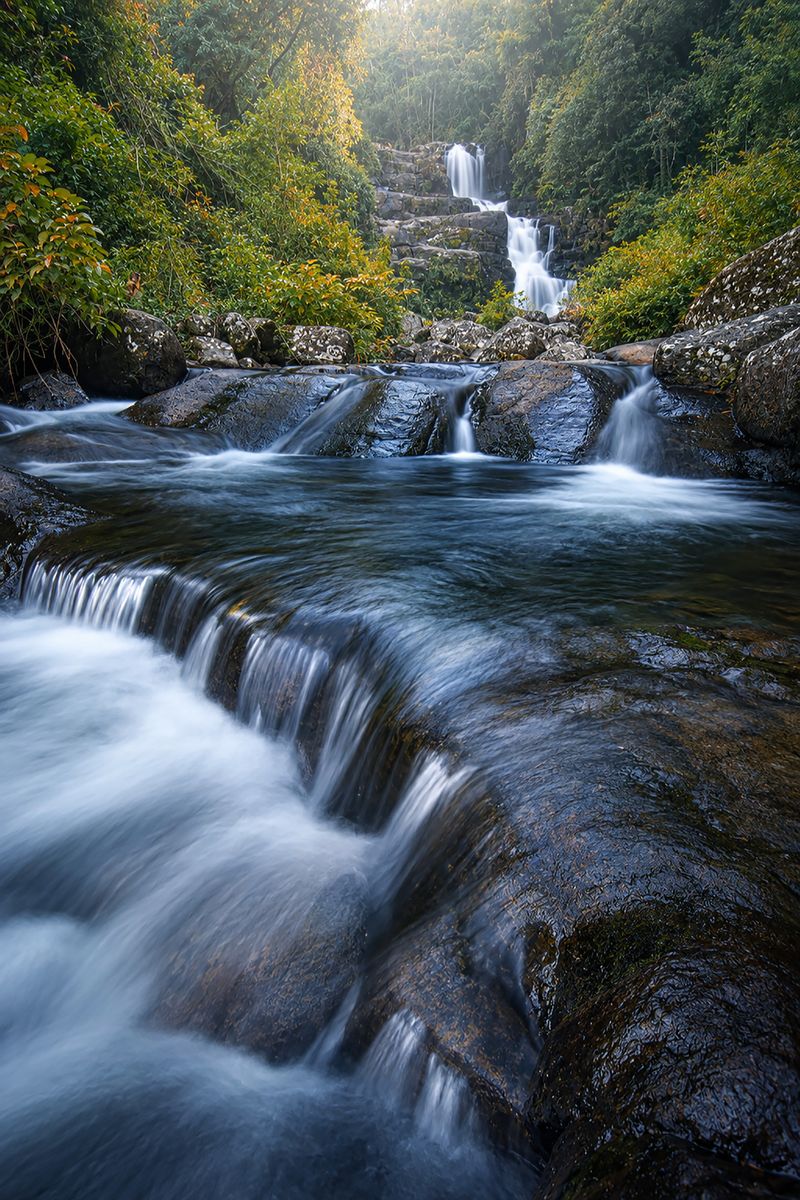
Nature photography is a captivating art form that allows us to connect with the environment and share its wonders. These ten essential tips will help you refine your skills and capture truly stunning images of the natural world.
01. Learn the Basics
- Understand the exposure triangle: aperture, shutter speed, and ISO, and how they interact.
- Master fundamental composition techniques such as the rule of thirds, leading lines, and framing.
- Study lighting principles, recognising how different types of light affect your subject.
02. Consistent Practice
- Regularly experiment with different camera settings and compositional approaches in various environments.
- Always have your camera ready to capture fleeting moments of inspiration.
- Consider joining a nature photography club or workshop to learn from fellow photographers.
03. Harness the Power of Light
- Shoot during the golden hour (shortly before sunrise and after sunset) for the most flattering, soft, and warm light.
- Use a polarising filter to reduce glare on foliage and water, and to enhance colours, especially blues and greens.
- Experiment with different shutter speeds to capture the movement of water, clouds, or wind through trees.
04. Seek Fascinating Subjects
- Look for unique rock formations, cascading waterfalls, intricate patterns in flora, or captivating wildlife interactions.
- Get creative with your compositions and find new, unconventional ways to capture familiar subjects.
- Be patient and wait for the perfect moment — whether it's a specific animal behaviour or a dramatic shift in light.
05. Composition Freedom
- While there are guidelines, there are no rigid rules when it comes to composition in nature photography.
- Experiment with different approaches until you find what works best for you and the story you want to tell.
- Don't be afraid to get creative and occasionally break traditional compositional "rules" for unique impact.
06. Elevate with Filters
- Graduated ND filters can help balance the exposure between a bright sky and a darker foreground in landscape scenes.
- Polarising filters can enrich colours, deepen blue skies, and reduce unwanted reflections.
- Solid ND filters allow slower shutter speeds even in bright light, creating smooth water effects or blurring moving subjects.
07. Refine Through Editing
- Use Adobe Lightroom and Photoshop to refine colours, contrast, sharpness, and the overall appeal of your images.
- Don't be afraid to experiment with different editing techniques, such as local adjustments, to highlight specific areas.
- The goal is to enhance your photos and bring out their best qualities — not to completely change them.
08. Share Your Vision
- Showcase your captivating nature shots on social media, your personal photography website, and relevant photography platforms.
- Consider entering your photos in competitions to get feedback and recognition.
09. Embrace Patience
- The most exceptional nature photographs often demand significant patience, waiting for the ideal lighting, weather conditions, or animal behaviour.
- Don't give up if you don't get the shot you want right away. Keep practising, observing, and returning to locations.
10. Know Your Camera
- Thoroughly familiarise yourself with all your camera's settings, functions, and capabilities.
- Experiment with different configurations to understand how they impact your images.
- The more you know about your camera, the more creative and confident you can be.
Conclusion
Nature's beauty is endless. Keep exploring, learning, and capturing the wonders around you.